
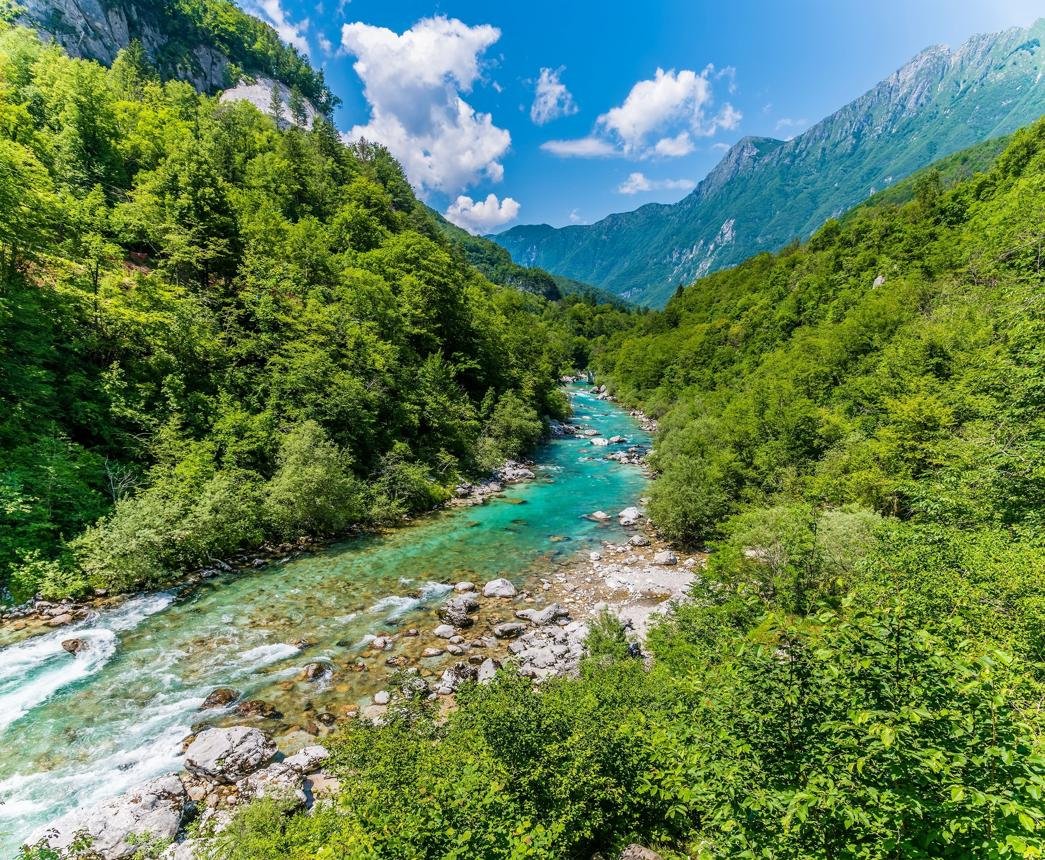
Hydrology is the study of water, including its movement, distribution and properties on and beneath Earth's surface. It helps explain river flows, floods, droughts and the availability of freshwater for people and ecosystems.
1. How Does the Water Cycle Work?
Water evaporates from oceans, lakes and land. Plants also release water vapour through transpiration. The vapour cools and condenses into clouds before returning to Earth as precipitation.
Some water runs over the land into streams and rivers, some infiltrates the soil, and some replenishes groundwater.
2. What Is a Watershed?
A watershed, also called a drainage basin, is an area of land where water drains toward a common river, lake or other outlet. Rainfall, terrain, vegetation, soil and land use all affect how water moves through a watershed.
3. Rivers and Their Landscapes
Rivers transport water, sediment and nutrients. Over time, flowing water can erode rock, carve valleys, create floodplains and deposit sediment to form deltas.
4. Groundwater: Water Beneath Our Feet
Groundwater occupies pores and fractures in soil and rock. Aquifers can store and transmit water, supplying wells, springs and some river flows. Excessive pumping can lower groundwater levels and reduce water availability.
5. Floods, Droughts and Water Management
Heavy rainfall, rapid snowmelt, land-use change and other factors can contribute to flooding. Droughts develop when water supply remains unusually low over time. Monitoring rainfall, river levels and groundwater helps communities plan for these risks.
- Protect riverbanks, wetlands and natural floodplains.
- Use irrigation and freshwater efficiently.
- Monitor river flows and groundwater levels.
- Plan water use across entire watersheds.