
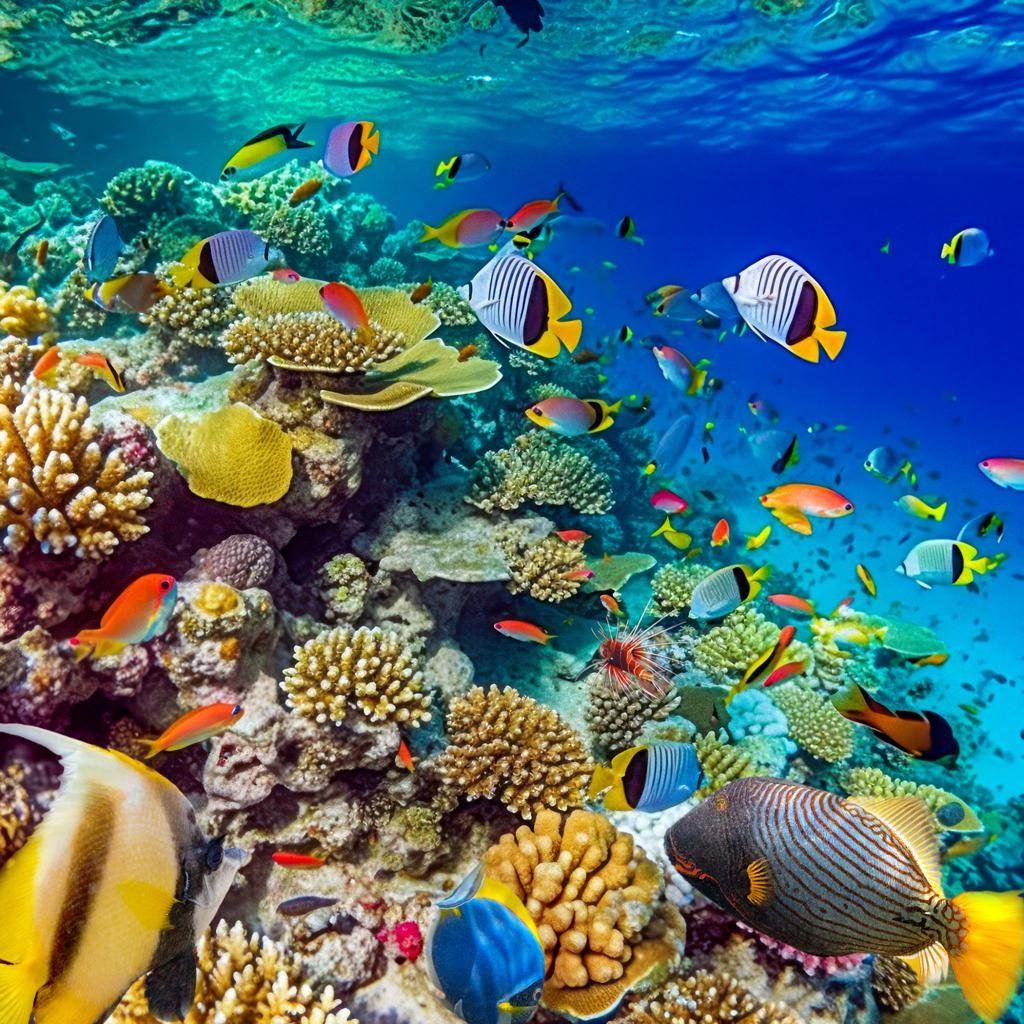
The biosphere includes the parts of Earth where life exists. It connects land, water and the atmosphere through the movement of energy and matter. From forests to oceans, organisms depend on complex ecological relationships.
1. What Is the Biosphere?
The biosphere is not a separate solid layer like Earth's crust. It is the global zone of life, extending across terrestrial, freshwater and marine environments wherever organisms can survive.
2. Understanding Ecosystems
An ecosystem includes living organisms and the physical environment in which they interact. Sunlight, temperature, water, nutrients and soil influence which organisms can thrive.
- Forests provide habitat, store carbon and regulate water flows.
- Wetlands support wildlife and can help filter water.
- Coral reefs provide habitat for diverse marine species.
- Grasslands support distinctive plants, animals and soil communities.
3. Why Is Biodiversity Important?
Biodiversity includes the variety of life at genetic, species and ecosystem levels. Healthy ecosystems contribute to food production, pollination, nutrient cycling, clean water and resilience to environmental change.
4. Threats to Living Systems
Habitat loss, pollution, invasive species, overexploitation and climate change can put pressure on biodiversity. These threats often interact, making some ecosystems more vulnerable.
5. How Can Ecosystems Be Protected?
- Protect and restore important habitats.
- Use land, forests and marine resources responsibly.
- Reduce pollution and prevent habitat fragmentation.
- Support biodiversity monitoring and conservation research.