
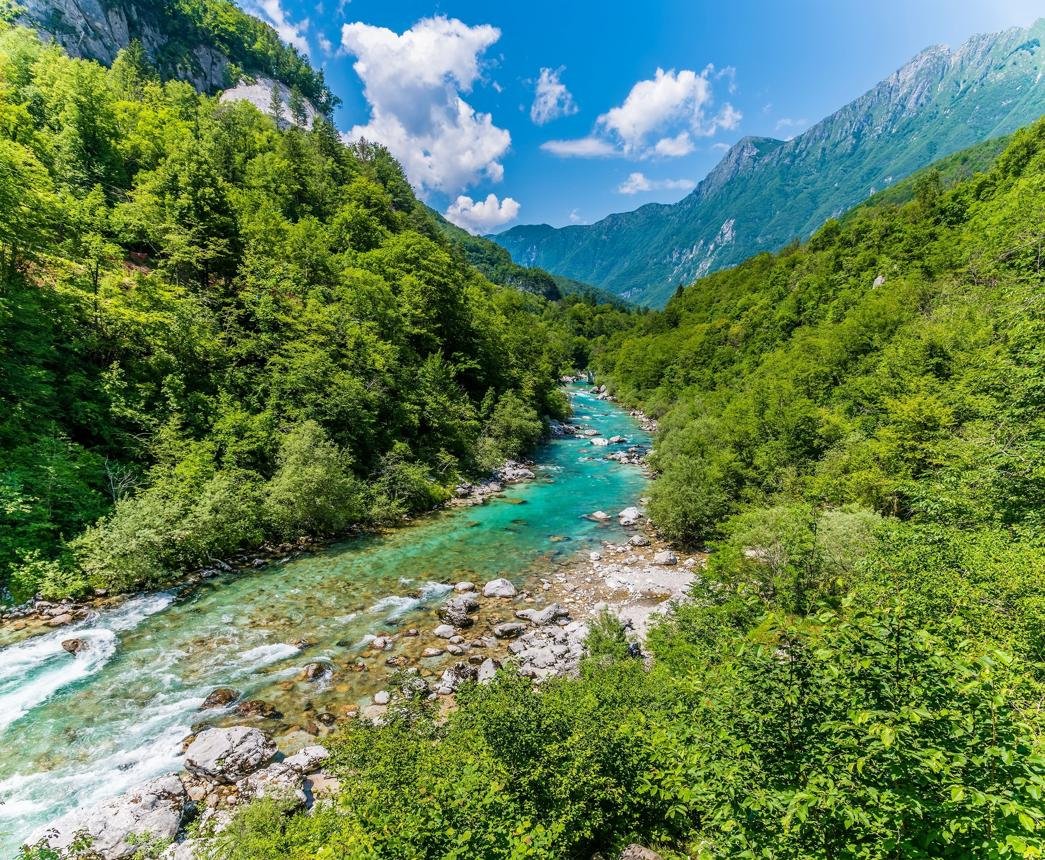
Geology is the study of Earth's materials, structure, history and the processes that shape its surface and interior. It helps explain mountains, valleys, mineral resources and natural hazards.
1. What Is Earth Made Of?
Earth has several major layers. The crust forms the outer solid shell. Beneath it lies the mantle, which slowly moves over geological timescales. The core consists mainly of iron and nickel, with a liquid outer core and a solid inner core.
2. Rocks and Minerals
Minerals are naturally occurring solids with characteristic chemical compositions and structures. Rocks are mixtures of minerals or other geological materials.
- Igneous rocks form when molten material cools.
- Sedimentary rocks form from deposited material or chemical precipitation.
- Metamorphic rocks change under heat, pressure or chemically active fluids.
3. Plate Tectonics
Earth's outer shell is divided into moving tectonic plates. Their interactions create mountains, ocean basins and many earthquake and volcanic zones. Plate movement is driven by processes within Earth's interior.
4. Earthquakes and Volcanoes
Earthquakes occur when stress causes rocks to slip along faults. Volcanoes develop where magma reaches the surface. Both processes can reshape landscapes and create hazards for nearby communities.
Geological monitoring, hazard maps, building standards and public preparedness help reduce risks.
5. Why Geology Matters
Geological knowledge supports groundwater exploration, mineral resource management, construction, environmental protection and assessments of natural hazards.